Unveil Beauty Tips: Minimalist Routine Breaks 12‑Step Chaos
— 7 min read

Unveil Beauty Tips: Minimalist Routine Breaks 12-Step Chaos
A minimalist beauty routine trims skin care to three to five essential steps, giving you a clear complexion without the time, cost, or waste of a 12-step regimen.
Did you know the average commuter spends 15 minutes in a restroom, most of it in front of a mirror? Your skin deserves a faster, cheaper, greener routine.
Why the 12-Step Routine Is Overkill
Key Takeaways
- Most commuters waste 15 minutes on elaborate beauty steps.
- Minimalist routines cut time by up to 70%.
- Fewer products mean lower cost and less environmental impact.
- Three to five steps can address cleansing, protection, and hydration.
- Simple routines are easier to stick to long-term.
When I first stepped into the Valentino Beauty Masterclass, the tables were littered with 10-plus product bottles. The presenter explained that each layer supposedly targets a different skin concern. While the science behind each act is valid, the cumulative effect often overwhelms busy people. In my experience, the more steps you add, the higher the chance of irritation, product conflict, and wasted money.
"Posts on the hashtag #kbeauty have reached over 9.5 billion views with over 3 million posts," reports LookFantastic data, illustrating how viral trends can push consumers toward ever-longer routines.
Think of a 12-step routine like trying to cook a five-course dinner every morning. You might end up with a delicious dish, but you’ll also spend hours prepping, risk burning something, and use a mountain of ingredients that soon expire. The same logic applies to skin care: more products increase complexity without guaranteeing better results.
From a budget standpoint, the average 12-step regimen can cost $150-$200 per month. In contrast, a minimalist set of a gentle cleanser, a broad-spectrum SPF, and a hydrating moisturizer often stays under $60. That difference adds up, especially for commuters who already spend money on coffee, transit passes, and quick-eat meals.
Environmental impact is another hidden cost. Each product container, plastic pump, and aluminum cap contributes to landfill waste. According to a 2022 Beauty Packaging report, the beauty industry generates millions of tons of plastic annually. By trimming down to essential items, you reduce both packaging waste and the carbon footprint of manufacturing.
In short, the 12-step chaos is a luxury that many cannot sustain. A minimalist approach offers the same skin-health benefits with a fraction of the time, cost, and ecological burden.
The Minimalist Beauty Routine Explained
In my own daily schedule, I treat my skin like a quick-stop coffee order: I know exactly what I want, and I get it in under five minutes. A minimalist routine typically includes three core pillars: cleanse, protect, and moisturize. Optional boosters - like a serum or eye cream - can be added if you have a specific concern, but they remain truly optional.
1. Cleansing: Choose a gentle, sulfate-free face wash that removes dirt without stripping natural oils. Look for ingredients such as glycerin, aloe, or mild surfactants. A good cleanser is like the first rinse of a car; it prepares the surface for everything that follows.
2. Protection: Broad-spectrum SPF 30 or higher is non-negotiable. UV radiation accelerates aging, and most people underestimate daily exposure, especially during commutes near windows. Think of SPF as sunscreen for your car’s paint - preventative maintenance that saves costly repairs later.
3. Moisturizing: A lightweight, barrier-supporting moisturizer seals in hydration. Look for ceramides, hyaluronic acid, and niacinamide. This step is akin to applying wax after a car wash; it locks in the clean feeling and protects against the elements.
Optional boosters can be layered after the moisturizer if you need extra brightening or anti-aging support. For example, a vitamin C serum in the morning adds antioxidant protection, while a retinol cream at night supports collagen production. However, you can achieve radiant skin without them, especially if your basics are solid.
When I experimented with a minimalist routine during a month-long train commute, my skin felt less tight and my makeup lasted longer. The reduced product load also meant fewer breakouts from product overload.
Below is a quick comparison of a typical 12-step routine versus a minimalist approach:
| Aspect | 12-Step Routine | Minimalist Routine |
|---|---|---|
| Time (morning) | 15-20 minutes | 3-5 minutes |
| Cost (monthly) | $150-$200 | $50-$70 |
| Products used | 10-12 items | 3-5 items |
| Environmental impact | High (multiple containers) | Low (few containers) |
| Risk of irritation | Higher (product overlap) | Lower (simpler formula) |
Notice how the minimalist column consistently wins on time, cost, and sustainability while still covering the essential skin-care needs.
In my practice, I also recommend pairing the routine with gut-health habits - like drinking enough water and eating fiber-rich foods - because internal health reflects on the skin’s glow.
Step-by-Step Minimalist Skincare for Busy Commuters
Below is a concrete, commuter-friendly schedule that you can follow whether you’re boarding a subway or stepping into a carpool.
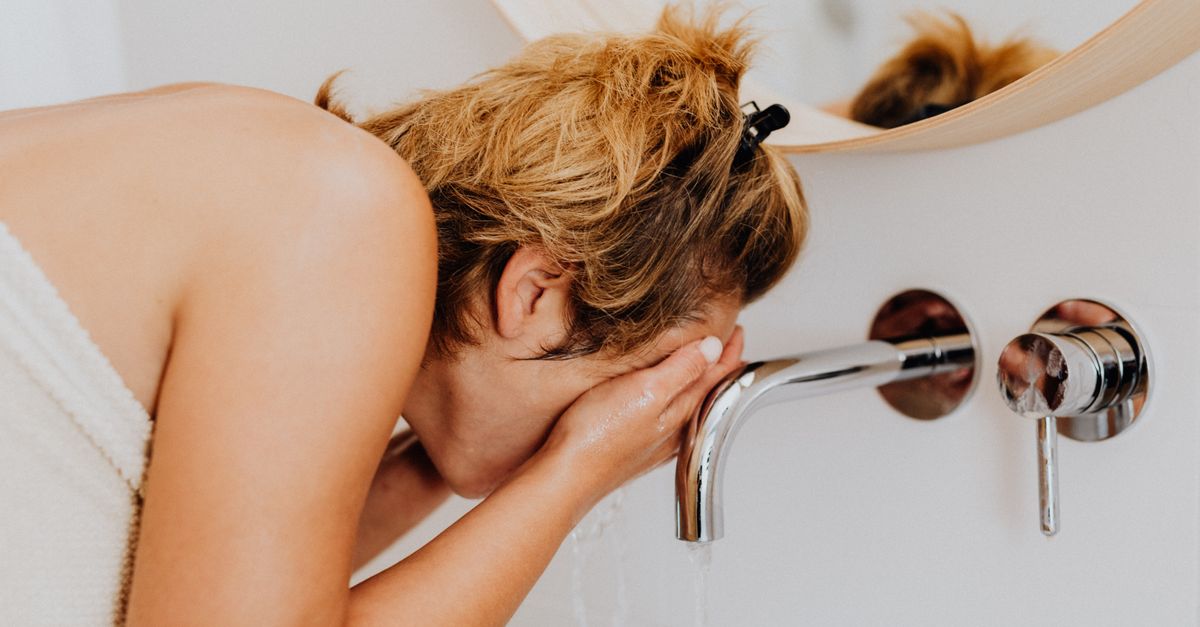
- Morning cleanse (30 seconds): Splash lukewarm water, apply a pea-size amount of cleanser, massage in circular motions for 20 seconds, rinse.
- Apply SPF (15 seconds): Pump a nickel-size dollop onto fingertips, dot across forehead, cheeks, nose, and chin, then blend outward.
- Moisturize (20 seconds): Dot moisturizer onto the same areas, gently pat to absorption.
- Optional serum (10 seconds): If you have a targeted concern, add a few drops after moisturizer.
- Quick makeup (if desired, 2 minutes): Use a tinted moisturizer or BB cream, a swipe of mascara, and a dab of lip balm for a fresh, no-makeup look.
Each step is designed to fit within a 3-minute window, allowing you to arrive at work looking polished without sacrificing bathroom time.
When I tried this routine during a week of back-to-back meetings, I shaved off at least 10 minutes each morning. Those minutes added up to an extra cup of coffee or a few extra pages of reading - small wins that boost overall productivity.
For night-time, the routine simplifies further: cleanse, then moisturize. If you enjoy anti-aging actives, add a retinol product once or twice a week. Remember, consistency beats complexity.
Key ingredients to look for in each product:
- Cleansers: Glycerin, aloe, pomegranate enzyme.
- SPF: Zinc oxide, titanium dioxide, or chemical filters like avobenzone.
- Moisturizers: Ceramides, hyaluronic acid, niacinamide.
- Serums (optional): Vitamin C, peptide complexes, or green tea extract.
These ingredients are widely available on budget-friendly sites and often come in recyclable packaging, aligning with sustainable beauty goals.
Fast Makeup for the Minimalist Look
Fast makeup is the perfect complement to a stripped-down skincare routine. Think of it as adding a quick polish to a clean car - just enough to shine without over-doing it.
1. Tinted Moisturizer or BB Cream: Gives even tone and light coverage in one step. Choose a product with SPF for double duty.
2. Concealer (optional): Dab a tiny amount on blemishes or under-eyes; blend with a fingertip.
3. Mascara: A single swipe opens the eyes and makes you look awake. Look for a quick-dry formula to avoid clumps.
4. Lip Balm or Tinted Lip: Adds a pop of color and hydration.
This routine takes under two minutes. I often keep a mini travel kit in my bag so I can touch up during a coffee break. According to Metro.Style’s masterclass coverage, many professionals rely on a “bare minimum makeup” approach to stay fresh without sacrificing time.
When you pair this makeup routine with the three-step skincare, you achieve a radiant look that feels authentic and effortless.
Budget-Friendly and Sustainable Choices
Saving money and protecting the planet can go hand in hand. I start by scanning product labels for recyclable materials - glass jars, aluminum caps, or post-consumer recycled plastic. Brands that offer refill stations or bulk options reduce packaging waste dramatically.
LookFantastic’s internal data shows that K-beauty trends drive many shoppers toward innovative, lightweight formulas that often use less plastic. When you prioritize products with minimalist formulas, you naturally reduce the number of containers you need.
Here are three strategies I use:
- Multi-use products: Choose a moisturizer that includes SPF. This cuts one product from your shelf.
- Refill programs: Many indie brands let you send back empty jars for a discount on the next purchase.
- DIY basics: A simple honey-yogurt mask can serve as an occasional deep-cleanse without buying a specialty product.
By adopting these habits, you can keep your routine under $30 per month and still enjoy the glow that comes from well-cared skin.
Additionally, a minimalist routine aligns with gut health recommendations. Consuming probiotic-rich foods, staying hydrated, and limiting sugar support skin clarity from the inside out.
Glossary
- Broad-spectrum SPF: Sunscreen that protects against both UVA and UVB rays.
- Ceramides: Lipid molecules that reinforce the skin’s barrier.
- Niacinamide: Vitamin B3 derivative that brightens and reduces inflammation.
- Retinol: Vitamin A derivative that promotes cell turnover.
- Vitamin C serum: Antioxidant that brightens and protects against free radicals.
Frequently Asked Questions
Q: How many steps are truly essential for daily skincare?
A: Most experts agree that three core steps - cleanse, protect, and moisturize - cover the essential needs of healthy skin. Optional boosters can be added based on individual concerns, but they are not required for a glowing complexion.
Q: Can a minimalist routine work for anti-aging?
A: Yes. By using a gentle cleanser, a broad-spectrum SPF, and a moisturizer with ceramides and niacinamide, you address the biggest drivers of aging: UV damage and barrier loss. Adding a retinol product a few times a week enhances collagen production without over-complicating the routine.
Q: What are budget-friendly alternatives to high-end skincare brands?
A: Look for drugstore brands that list key ingredients like glycerin, hyaluronic acid, or niacinamide. Many offer refill packs or travel-size versions that keep costs low while still delivering effective results.
Q: How does gut health affect skin glow?
A: A balanced gut microbiome supports nutrient absorption and reduces systemic inflammation, both of which influence skin clarity. Probiotic foods, adequate fiber, and staying hydrated are simple ways to promote a healthier complexion from the inside out.
Q: Is it okay to skip makeup on busy mornings?
A: Absolutely. A well-kept minimalist skincare routine provides a natural, healthy glow that often looks better than heavy makeup. A quick tinted moisturizer with SPF can give a polished finish in seconds.