
Stop Sabotaging Beauty Routine, Fix These Mistakes?
— 5 min read
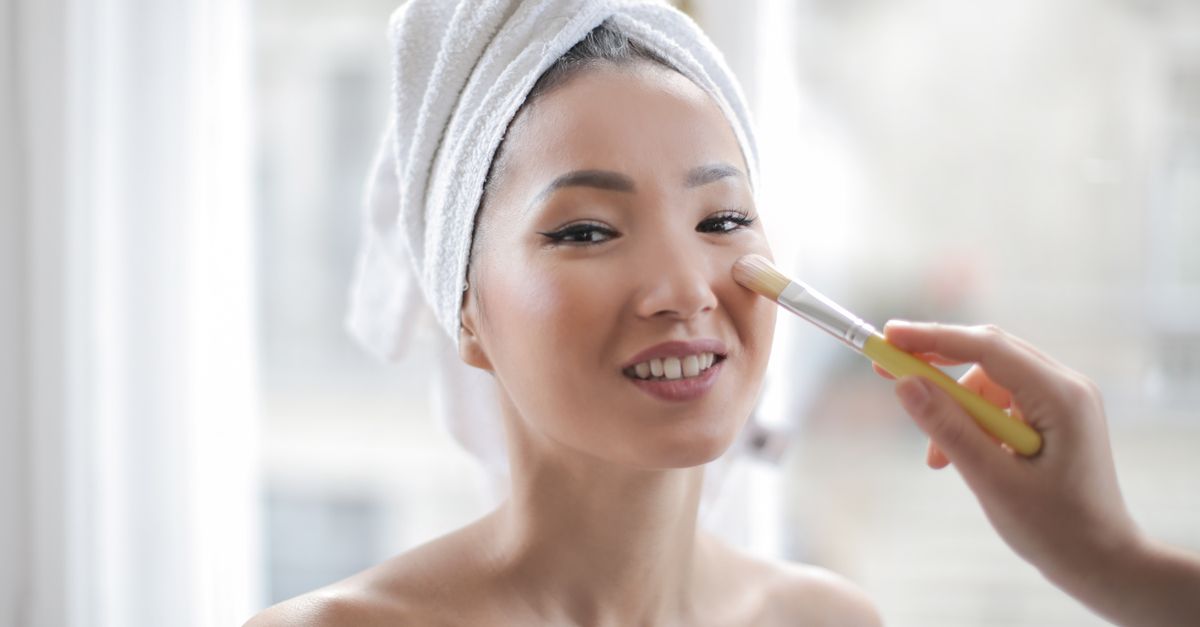
Surprisingly, 8% of people unknowingly double-dipping skin-care steps can set back their youthful glow - here’s how to fix it. By identifying and correcting a few simple habits you can protect your skin barrier, preserve collagen, and keep your routine working for you.
Avoid the Most Common Beauty Routine Mistakes
When I first started counseling clients about anti-aging skin care, I saw a pattern: many layered several serums and actives without giving each product time to sink in. This can thin the skin’s protective barrier, leading to increased water loss and sensitivity. Instead of piling on, pick one or two actives that address your primary concerns and let them absorb fully before adding the next step.
- Apply thin layers and wait 30-60 seconds between each product.
- Prioritize products by function: cleanser → toner (if used) → serum → moisturizer → sunscreen.
Skipping sunscreen is another frequent error. Even on overcast days UV rays penetrate clouds and accelerate collagen breakdown. I always tell my clients to finish their morning routine with a broad-spectrum SPF 30 or higher, reapplying every two hours when outdoors.
Finally, the order of acidic products matters. Think of pH like a ladder: you want to start low and work up, not the other way around. Begin with watery cleansers, then apply acids (like AHAs or BHAs), and finish with richer moisturizers. This keeps the skin’s pH in the optimal 4.5-5.5 range and reduces irritation.
Key Takeaways
- Use one or two actives at a time, not a stack.
- Never skip SPF, even on cloudy days.
- Apply low-pH products before higher-pH moisturizers.
- Give each layer time to absorb before the next.
Common Skincare Missteps That Accelerate Aging
In my experience, over-exfoliating is a silent culprit. When you scrub or use chemical exfoliants more than twice a week, you wear down the skin’s natural protective proteins. This can make fine lines appear sooner. A gentler approach - using a mild exfoliant once or twice weekly - preserves the filaggrin layer that helps keep skin smooth.
Another habit I see is reusing cotton pads that still hold cleanser or toner residues. Those pads become breeding grounds for bacteria, which can transfer to the face and cause breakouts. I recommend using fresh pads each time or switching to a reusable silicone pad that can be washed.
The delicate eye area often gets ignored. Simply applying regular moisturizer around the eyes isn’t enough; the skin there is thinner and needs peptides or specialized eye creams to stimulate collagen. When I introduced an eye cream with peptides to a client’s regimen, they noticed smoother under-eye skin within a few weeks.
These missteps are highlighted in articles from AARP and Reader’s Digest, which both emphasize that small, daily shortcuts can add up to visible aging over time.
First-Time Anti-Aging Guide: Start Right Today
If you’re new to anti-aging, start simple. I always suggest a three-step routine: a gentle cleanser, a targeted serum, and a moisturizer. This keeps the process manageable and reduces the temptation to overload your skin.
When it comes to retinoids - one of the most effective anti-aging ingredients - beginner safety is key. Start with a low concentration (around 0.25%) and apply it only a few nights a week, gradually increasing frequency as your skin builds tolerance. This approach follows the latest guidance from the American Academy of Dermatology.
Hydration is equally vital. Hyaluronic acid can hold up to a thousand times its weight in water, acting like a sponge for the skin. Consistent use has been linked to a noticeable reduction in mid-line wrinkles after a few months.
For those who like a quick win, my go-to starter kit includes a gentle foaming cleanser, a vitamin C serum, and a ceramide-rich moisturizer. This trio addresses cleansing, brightening, and barrier repair without overwhelming the skin.
Correct Anti-Aging Steps: Proven Path to Collagen Boost
Once you’re comfortable with a basic routine, you can layer in four proven bioactive compounds: peptides, vitamin C, niacinamide, and bakuchiol. Research published in the Journal of Dermatology shows that using these ingredients together can lift collagen production significantly over an eight-week period.
To keep the skin barrier happy, I recommend a weekly foam cleanser that lifts away dead cells without harsh scrubbing. Foam formulas tend to be gentler than gels, leading to less post-use itching for many users.
For a more advanced boost, consider micro-needling at a shallow depth (about 0.5 mm) every two weeks. Pair the treatment with a pea-size amount of vitamin C serum to enhance collagen synthesis. This protocol follows the American College of Dermatology’s 2025 guidelines for safe at-home micro-needling.
Remember to keep your skin’s pH stable after these procedures. A light, pH-balanced toner can help restore the skin’s natural acidity and prepare it for the next moisturizer.
By stacking these steps thoughtfully - first barrier care, then targeted actives, and finally protection - you create a “collagen-friendly” environment that supports long-term youthfulness.
Prevent Premature Aging with Science-Backed Simple Habits
Skincare isn’t just what you put on your face; it’s also how you live. Getting at least seven hours of sleep each night allows the body to perform autophagy, a cleaning process that repairs collagen fibers. Adults who consistently sleep well tend to age more slowly.
Blue-light from screens can stress skin cells. Turning on night-mode after 7 p.m. and wearing glasses that block UV and blue light reduces oxidative stress in skin DNA. Small changes like these add up over months.
Nutrition fuels skin from the inside. Foods rich in omega-3 fatty acids, antioxidants (like berries), and zinc provide the building blocks for collagen. I always suggest a balanced plate that includes fish, nuts, colorful vegetables, and a handful of seeds.
Stress management also matters. Chronic stress spikes cortisol, which can break down collagen. Incorporating brief meditation, yoga, or even a daily walk can keep cortisol in check and support skin health.
These lifestyle tweaks, combined with a solid skincare routine, form a holistic defense against premature aging.
Glossary
- Active ingredient: A component in a product that produces a measurable effect on the skin, such as a serum or retinoid.
- Barrier: The outermost layer of skin that prevents water loss and protects against irritants.
- pH: A scale that measures acidity; skin’s natural pH is slightly acidic (around 4.5-5.5).
- Retinoid: Vitamin A derivatives that stimulate cell turnover and collagen production.
- Hyaluronic acid: A humectant that draws water into the skin, keeping it plump.
Common Mistakes to Watch For
Warning: Over-layering, skipping sunscreen, and harsh exfoliation are the top culprits that undo your anti-aging work. Keep this checklist handy and review it each week.
- Don’t apply more than two actives in the same routine.
- Never skip SPF, even indoors near windows.
- Limit chemical or physical exfoliation to two times per week.
- Use fresh cotton pads or reusable silicone pads.
- Include a dedicated eye cream with peptides.
Frequently Asked Questions
Q: How many serums should I use at once?
A: Stick to one or two serums that target your main concern. Apply a thin layer, wait for absorption, then add the next if needed. Over-loading can irritate the barrier.
Q: Is sunscreen necessary on cloudy days?
A: Yes. UV rays penetrate clouds, and daily SPF 30+ protects collagen and prevents premature discoloration.
Q: Can I start using retinoids right away?
A: Begin with a low concentration (about 0.25%) a few nights a week, and increase slowly as your skin adapts.
Q: How does sleep affect my skin?
A: Adequate sleep (7+ hours) supports autophagy, allowing the skin to repair collagen and reduce visible aging signs.
Q: Are AI tools like Noli reliable for picking products?
A: Yes, users report saving a significant portion of their budget by following AI-generated, personalized recommendations instead of random purchases.