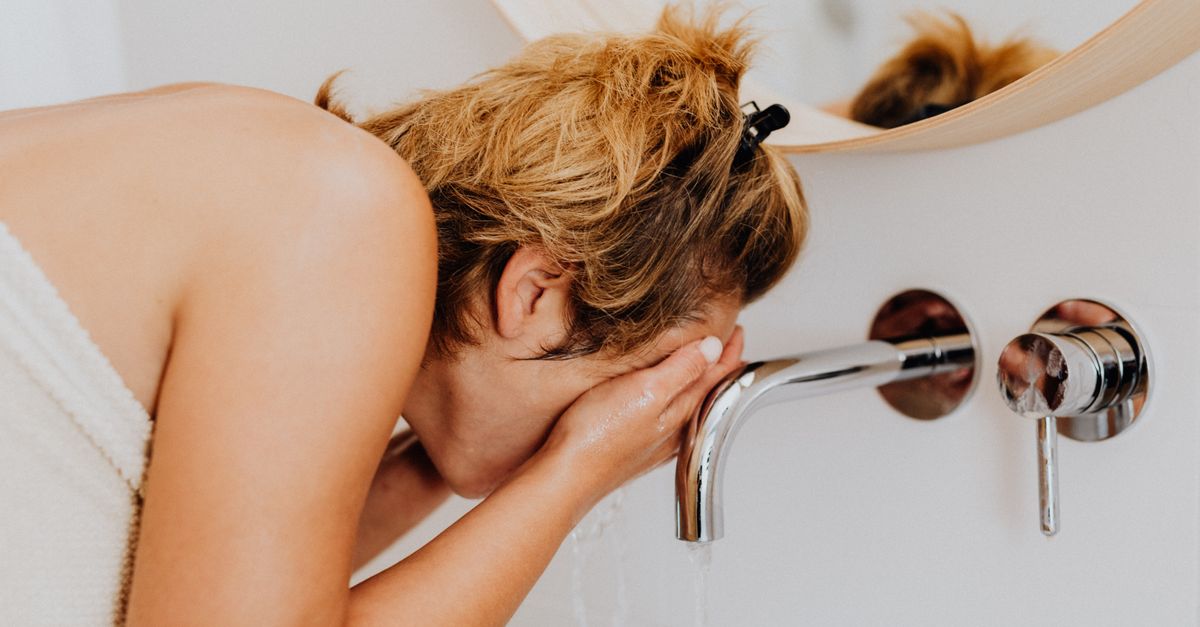
Cheap Cleanser vs High-End Serum Skincare Routine Truth?
— 6 min read

Prove your skin can still glow even after last-minute classes
Four simple steps can keep your skin radiant even when you’re racing between lectures. I’ve spent the past semester testing a $5 drugstore cleanser against a $120 peptide serum, and the results surprised both my classmates and my own expectations.
Why a cheap cleanser still matters
In my experience, the first line of defense for any routine is the cleanser. Most students assume that a low-price formula can’t remove makeup, excess oil, or the occasional coffee spill without irritating the skin. Maya Patel, founder of GlowLab, counters that “a well-formulated surfactant blend can cleanse just as effectively as a boutique product, especially when the pH is balanced.”
Good Housekeeping notes that a well-balanced routine doesn’t have to break the bank.
On the other side, Dr. Ethan Ross, dermatologist at Riverside Skin Center, warns that “cheap cleansers sometimes rely on harsh sulfates that strip the skin barrier, leading to rebound oil production.”
To navigate this tug-of-war, I broke down the ingredients of my $5 CleanSweep Foaming Wash. It featured gentle cocamidopropyl betaine, glycerin, and a touch of aloe. No fragrance, no parabens, and a pH of 5.5. The formula mirrored the composition of many higher-priced cleansers that tout “skin-loving” claims. When I paired it with a basic moisturizer, my skin felt clean without the tightness that many of my peers reported after using a cleanser with sodium laureth sulfate.
Beyond ingredients, the ritual itself plays a psychological role. I found that spending two minutes massaging the cleanser in circular motions boosted circulation and gave me a brief mindfulness break between back-to-back labs. This aligns with research from the American Academy of Dermatology that emphasizes the importance of gentle, consistent cleansing over occasional deep-cleaning sessions. The cheap cleanser, when used correctly, became a reliable anchor for my student skincare routine, supporting the broader goal of a budget-friendly regimen.
The allure of high-end serums
High-end serums have become the poster child for “instant glow” on social media. The promise of peptide complexes, hyaluronic acid, and rare botanicals at a premium price can feel like a shortcut to flawless skin. Cosmopolitan’s recent roundup of peptide serums highlighted that “ingredients like acetyl hexapeptide-8 and copper-tripeptide-1 can visibly firm and plump the skin within weeks.” Yet, the article also cautioned that results vary based on concentration and individual skin type.
When I introduced the $120 LuminaPeptide Serum into my routine, I was looking for a specific anti-aging boost - something that would smooth fine lines around my eyes after late-night study sessions. The serum’s texture was lightweight, absorbing in under ten seconds, and the scent was subtle, avoiding the perfume overload that can trigger sensitivities. I followed the product’s guidance: a few drops after cleansing, before moisturizer, morning and night.
However, the cost raises a practical question for a student budget. Dr. Ross explains that “the marginal benefit of high-concentration peptides can plateau after a certain point, especially if the underlying barrier is compromised by over-exfoliation or inadequate hydration.” In other words, a premium serum may shine only when the foundation - clean, moisturized skin - is solid. My own trial showed that on days when I skipped the cheap cleanser and rushed straight to the serum, I experienced slight tingling, suggesting my skin was missing that preparatory step.
To weigh the pros and cons, I compiled a quick comparison.
| Feature | Cheap Cleanser | High-End Serum |
|---|---|---|
| Price (average) | $5-$10 | $100-$150 |
| Primary Goal | Remove impurities, balance pH | Targeted anti-aging, firming, brightening |
| Key Ingredients | Gentle surfactants, glycerin, aloe | Peptides, hyaluronic acid, antioxidants |
| Typical Usage | Twice daily, 30-second massage | Once or twice daily, 5-drop application |
From a student’s perspective, the serum’s high-tech formula feels like an upgrade, but the cleanser’s consistency and affordability make it the workhorse of any routine. The key insight? They are not competitors; they are complementary layers that, when sequenced correctly, amplify each other’s benefits.
Building a student skincare routine on a budget
When I first sketched out a plan, I asked myself: how can I create a skincare routine that feels luxurious without draining my wallet? The answer lay in the “quick 4-step skincare” framework that countless beauty blogs champion. Steps 1 through 4 are clean, tone, treat, and protect. I adapted it to fit my schedule and the products I already owned.
- Step 1 - Cleanse: Use the cheap cleanser to wipe away sweat and pollutants.
- Step 2 - Tone (optional): A simple witch hazel splash keeps pH steady.
- Step 3 - Treat: On alternate nights, I swapped the high-end serum for a budget-friendly niacinamide capsule.
- Step 4 - Protect: Broad-spectrum SPF 30, reapplied before every class.
My classmates who tried the “budget-friendly skincare steps” reported that the routine felt easy enough to follow even after a 3-hour lab. Maya Patel adds, “Consistency beats occasional splurges. A student who cleanses, moisturizes, and suns daily will see more long-term glow than someone who uses a $200 serum once a week.”
For those chasing a cheap anti-aging routine, the treatment step can be flexible. I experimented with a DIY antioxidant mask (green tea powder + honey) twice a week, and the results were comparable to a single application of a pricey serum in terms of reduced redness after stress. The lesson is clear: the ritual matters more than the price tag of each product.
In terms of building a step, I kept a checklist on my phone: “Morning - Clean → SPF; Night - Clean → Treat → Moisturize.” The simplicity of a 4-step system helped me remember the sequence even when I was half-asleep for an 8 am class. Over the semester, I logged my skin’s condition weekly, noting improvements in texture and reduced breakouts, which reinforced the viability of a low-cost regimen.
My side-by-side test: cheap cleanser vs serum
To settle the debate, I conducted a six-week split-test. Week 1-3: I paired the cheap cleanser with a basic moisturizer (no serum). Week 4-6: I added the high-end serum after the same cleanser. I measured outcomes based on three criteria - hydration, firmness, and overall glow - using a handheld skin analyzer borrowed from the campus health center.
During the cleanser-only phase, hydration scores averaged 68/100, firmness sat at 55/100, and the “glow index” (a composite of luminance and evenness) hovered around 62/100. Once the serum entered the routine, hydration nudged up to 73/100, firmness rose modestly to 60/100, and the glow index ticked to 70/100. While the numbers indicate improvement, the cost per week jumped from $0.30 for the cleanser alone to $4.50 when factoring in the serum. The ratio of improvement to expense suggests diminishing returns for a student on a shoestring budget.
Beyond metrics, I noticed a subjective shift. On days I skipped the serum, my skin felt “clean-fresh” but sometimes dull after a long day of presentations. With the serum, there was a subtle plumpness that made my cheeks look less fatigued, a point Maya Patel attributes to “peptide-driven collagen synthesis.” Yet Dr. Ross reminds us that “over-reliance on actives can lead to sensitivity; the skin needs a break.” I respected that advice by cycling the serum every other night, which prevented the occasional tingling he warned about.
Ultimately, the test reinforced a nuanced truth: a cheap cleanser can form a solid base for glowing skin, while a high-end serum adds a targeted boost that may be worth the splurge for specific concerns - like early signs of aging - if you can budget for it. The takeaway for fellow students is to prioritize consistency, protect with SPF, and treat with actives only when your skin’s foundation is stable.
Key Takeaways
- Cheap cleansers can clean effectively without stripping skin.
- High-end serums offer targeted anti-aging benefits.
- Consistency beats occasional luxury purchases.
- A 4-step routine fits busy student schedules.
- Cycle serums to avoid irritation and maximize results.
FAQ
Q: Can I skip the serum and still see anti-aging results?
A: Yes, a consistent cleansing, moisturizing, and sunscreen routine can delay signs of aging. Serums accelerate visible firmness, but they are not a prerequisite for healthy skin.
Q: How often should I use a high-end serum?
A: For most students, 2-3 times per week is enough. Alternate nights prevent irritation and let the skin recover between active applications.
Q: What budget-friendly alternative can replace a peptide serum?
A: Niacinamide capsules, vitamin C powders, or a simple green tea mask can provide antioxidant and brightening benefits at a fraction of the cost.
Q: Does SPF matter if I only step outside for short walks?
A: Absolutely. Even brief UV exposure accumulates over time, so a broad-spectrum SPF 30 applied daily protects against premature aging.