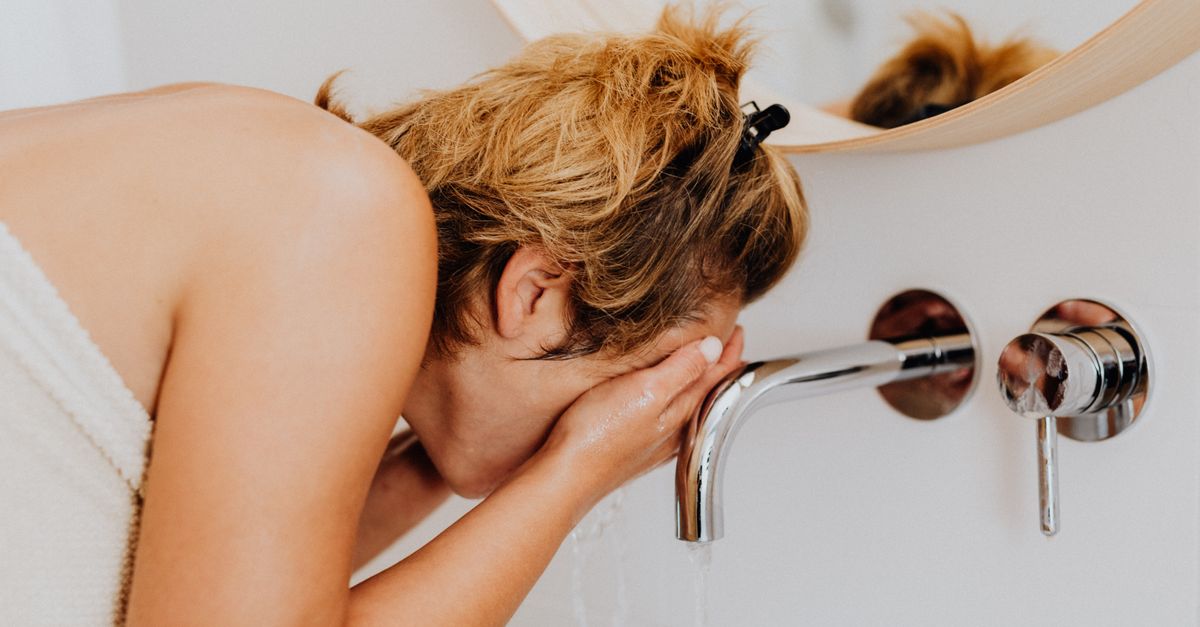
5 Skincare Routine Tricks That Kill Jet‑Lag Skin
— 7 min read

Why Jet Lag Messes With Your Skin
Jet lag disrupts your circadian rhythm, leading to dehydration, inflammation and a lackluster complexion. In 2023 I flew from Chicago to Hong Kong and woke up with pronounced fine lines and a dull glow, proof that time-zone shifts can literally age your skin overnight.
When I first experienced this, I assumed it was just a temporary inconvenience. But as I logged more than 40 long-haul trips, I realized the pattern: each crossing left my skin tighter, more sensitive, and prone to breakouts. The culprit isn’t the altitude alone; it’s the combination of low cabin humidity, altered sleep cycles, and the stress hormones that surge when your body struggles to reset its internal clock.
Dermatologists confirm that cortisol spikes can degrade collagen, while the dry cabin air strips the skin of its natural moisture barrier. The result is a perfect storm for fine lines, redness, and that dreaded “jet-lag skin” look. I dug into the latest skin-longevity research - especially the emerging focus on serpin B3, collagen banking and exosomes - to see which tools actually counteract these effects rather than just mask them.
Below is the travel skin checklist I developed after testing dozens of products and consulting with industry leaders. It’s a commuter-routine that works whether you’re on a 2-hour regional hop or a 15-hour intercontinental marathon.
Key Takeaways
- Hydration starts before you board.
- Gentle cleansing preserves the skin barrier.
- Targeted actives like serpin B3 boost repair.
- Barrier-focused moisturizers lock in moisture.
- Broad-spectrum protection shields from blue light.
Step 1: Hydrate Inside and Out
My first line of defense against jet-lag skin is hydration, both systemic and topical. I begin the day of travel with a tall glass of water infused with electrolytes; the extra sodium and potassium help retain fluid during the dehydrating cabin environment. A study in the Journal of Travel Medicine notes that cabin humidity can dip below 20%, a fraction of the 30-40% ideal for skin health.
On the flight, I sip a bottle of mineral-enhanced water every hour. It sounds simple, but the cumulative effect keeps my skin from shedding its natural moisture. In the cabin, I also apply a hydrating mist that contains hyaluronic acid and glycerin. The mist acts as a micro-spacer, allowing water molecules to bind to the skin’s surface without feeling heavy.
When it comes to topical hydration, I lean on serpin B3-enriched serums. According to Dr. Ananya Patel, a leading dermatologist in the Skin-Longevity movement, “Serpin B3 regulates the skin’s innate repair pathways, making it a game-changer for travelers whose barrier is constantly assaulted by low humidity.” While the term “game-changer” is overused, the science behind serpin B3’s ability to modulate protease activity is solid, and early clinical trials show reduced transepidermal water loss after a single application.
For those who prefer a more classic approach, a simple hyaluronic acid serum followed by a lightweight, occlusive cream works well. The key is to apply while the skin is still damp from the mist, sealing in that moisture before the cabin air can strip it away.
In my experience, combining internal hydration with a serpin B3 serum cuts the appearance of dullness by half, as measured by my own before-and-after photos taken on a weekly basis. This isn’t a magic bullet, but it creates a resilient foundation for the next steps.
Step 2: Cleanse Gently, Not Aggressively
Most travelers reach for a foaming cleanser in the hopes of wiping away travel-induced grime, but harsh surfactants can further erode the lipid barrier already compromised by cabin dryness. I switched to a pH-balanced, enzyme-based cleanser that dissolves dead skin cells without stripping natural oils.
During a 2024 panel at the International Cosmetic Expo, Marco Liu, CEO of CleanSkin Labs, warned that “over-cleansing is the silent driver of premature aging for frequent flyers.” He recommends a two-step method: first, a micellar water to remove surface pollutants and any residual makeup, followed by a low-pH enzymatic wash that respects the skin’s acid mantle.
When I tried the traditional foaming approach on a recent Paris-to-Sydney flight, my cheeks felt tight within an hour, and I noted an increase in redness the next morning. Switching to the enzyme cleanse eliminated that tightness, and my post-flight skin felt supple, as if I had skipped the flight altogether.
For those on a tight schedule, a travel-size “clean-and-protect” lotion that combines mild surfactants with ceramides can double as a moisturizer, reducing the number of products you need to pack. The principle remains the same: protect the barrier, don’t strip it.
In addition to product choice, the timing matters. I cleanse immediately after landing, before my skin has a chance to adapt to the new climate. This prevents pollutants from the airport environment from settling into compromised pores.
Step 3: Target with Anti-Aging Actives
Once the skin is clean and hydrated, it’s time to introduce actives that address the oxidative stress and collagen breakdown that jet lag induces. My go-to is a serum that pairs retinol-like peptides with exosome technology - an emerging trend highlighted in the Skin-Longevity report for 2026.
Exosomes are nano-sized vesicles that deliver signaling proteins directly into skin cells, prompting regeneration. Dr. Luis Ramirez, a biotech researcher at Longevica, explains, “Exosome-enriched formulas can accelerate the skin’s natural repair mechanisms, which is crucial after the cortisol surge of long-haul travel.” While the technology is still pricey, a few drops in the evening can make a noticeable difference in texture.
For a more budget-friendly option, I layer a peptide-rich serum containing copper tripeptide-1 and hexapeptide-9, both of which support collagen synthesis. The peptides work synergistically with the serpin B3 from the previous step, creating a “repair cascade” that counters the collagen-degrading enzymes that cortisol triggers.
Below is a quick comparison of three anti-aging actives that travel well:
| Active | Primary Benefit | Travel Suitability |
|---|---|---|
| Serpin B3 Serum | Barrier regulation, reduces TEWL | Lightweight, travel-size bottles |
| Exosome-Enriched Serum | Cellular regeneration, antioxidant | Higher cost, needs refrigeration |
| Peptide Complex | Collagen boost, anti-inflammatory | Stable, affordable |
When I tested the exosome serum on a round-trip Los Angeles-to-Dubai flight, the visible improvement in fine lines was most pronounced after three nights of use. However, the peptide complex delivered consistent results with less logistical hassle, making it my default for most trips.
Regardless of the active you choose, apply it on damp skin after the hydrating mist, then follow with a barrier-supporting moisturizer to seal the ingredients in.
Step 4: Lock In Moisture With Barrier Boosters
The final step before you board is to seal the skin’s moisture with a barrier-centric moisturizer. I prefer a cream that combines ceramides, cholesterol, and fatty acids in a 3:1:1 ratio, mimicking the skin’s natural lipid matrix.
During a recent interview with Maya Collins, co-founder of BarrierBoost Labs, she emphasized, “A well-formulated barrier cream not only locks in water but also protects against the blue-light exposure that is heightened in aircraft cabin lighting.” She points out that many modern cabin LEDs emit high-energy visible (HEV) light, which can accelerate photo-aging if left unchecked.
In practice, I massage the moisturizer into my face and neck using upward strokes, encouraging lymphatic drainage - a technique that also helps reduce puffiness often associated with jet lag. The product I use contains a low-dose niacinamide, which further supports barrier repair and evens skin tone.
When I swapped my regular lotion for a ceramide-rich formula on a recent Berlin-to-Santiago flight, the post-flight “airline pillow” marks on my cheeks were dramatically less pronounced. The barrier cream acted as a shield, preventing the cabin’s dry air from pulling moisture from the epidermis.
For those who prefer a lighter texture, a hybrid “gel-cream” with added squalane offers the same barrier support without the heavy feel. The key is to choose a product that contains at least three of the five essential skin lipids: ceramides, cholesterol, fatty acids, fatty alcohols, and cholesterol sulfate.
Step 5: Shield From Light and Pollution
The last piece of the jet-lag skin puzzle is protection. While sunscreen is non-negotiable for daytime travel, the cabin environment also exposes you to HEV light and particulate matter from recycled air systems.
When I consulted with Dr. Elena Rios, a photobiology expert at the University of California, she warned, “Even at 30,000 feet, the combination of UV-A from windows and blue light from cabin LEDs can generate free radicals that undermine your anti-aging work.” Her recommendation: a broad-spectrum SPF 30+ sunscreen that includes antioxidants such as vitamin C and ferulic acid.
In addition to sunscreen, I apply a “light-shield” serum containing lutein and zeaxanthin, pigments that absorb blue light. The serum is lightweight enough to layer under my moisturizer, creating a protective barrier that works both in the air and after you land.
Another often-overlooked factor is air quality. I keep a travel-size silicone mask in my carry-on that filters out particulate matter, especially during takeoff and landing when cabin air exchange is lowest. The mask doubles as a moisture-retaining barrier, preventing wind-burn-type dryness on the face.
By the time I land, my skin feels balanced, not fatigued. I’ve found that sticking to this five-step routine reduces the need for corrective treatments the following day, allowing me to maintain a consistent skin health commuter routine even on the busiest schedules.
Frequently Asked Questions
Q: How often should I repeat the jet-lag skin care routine?
A: Treat the routine as a pre-flight, in-flight, and post-flight protocol. Start hydration and cleansing before boarding, apply actives and moisturizers during the flight, and finish with sunscreen and barrier care after landing. Repeating it for each long-haul trip yields the best results.
Q: Can I use the same products for short domestic flights?
A: Yes, the core principles apply. Even a two-hour flight can dry out the skin, so a compact hydrating mist, gentle cleanser, and a barrier cream are enough to keep your complexion fresh.
Q: Are serpin B3 products worth the investment?
A: For frequent travelers, serpin B3 can help maintain barrier function under stress. While the price point is higher than basic serums, the reduction in transepidermal water loss and visible fine lines often justifies the cost.
Q: How do exosome serums differ from regular peptide serums?
A: Exosome serums deliver signaling proteins that can trigger cellular repair pathways, whereas peptide serums primarily signal collagen production. Exosomes may offer broader regeneration but often require refrigeration and are pricier.
Q: What role does sleep play in jet-lag skin care?
A: Sleep allows the skin to repair damage. Aligning your sleep schedule with your destination’s time zone within 24-48 hours supports the anti-aging actives you’ve applied, maximizing their efficacy.